Since its inception in 1920, The Union has had a focus on tuberculosis (TB) and innovating TB care.
We have now set out our 2022-2027 vision, objectives and strategy for ending TB. This can only be achieved collectively, with our members, partners and TB community – everyone has a role to play.
Together, we can bring an end to TB.
Our work in TB
The Union works towards the global elimination of TB. We support high-quality, accessible prevention and care for people with and at risk of TB, to expand the evidence base for TB care and prevention and implement new knowledge into policy and practice.

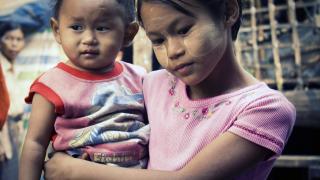

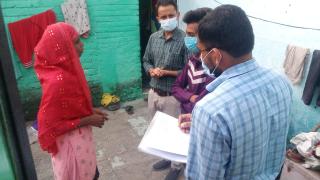
Project Axshya Plus
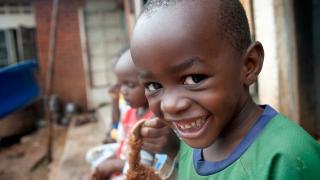
In collaboration with local partners and over 15,000 community volunteers, The Union provided innovative tuberculosis (TB) interventions designed to serve traditionally hard-to-reach and at-risk populations in India.
Specific TB priority areas
Read more about how The Union is working to fight key areas of TB:
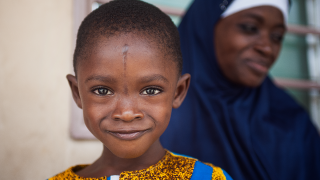
Child & Adolescent Tuberculosis
The Union works to develop, test, implement and scale up routine screening of child contacts of people with TB. We run observational studies and advocate to ensure children and adolescents are included in clinical trials that target diagnostics, vaccines and treatment of TB disease and infection.
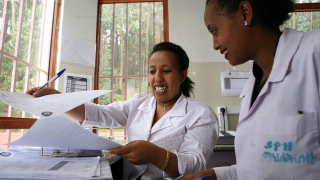
TB-HIV, TB-Diabetes and other co-morbidities
The Union develops, tests, implements and scales up models of care for co-morbid conditions that increase the risk of developing TB, that are prevalent in high TB burden settings, or that adversely affect TB treatment outcomes.
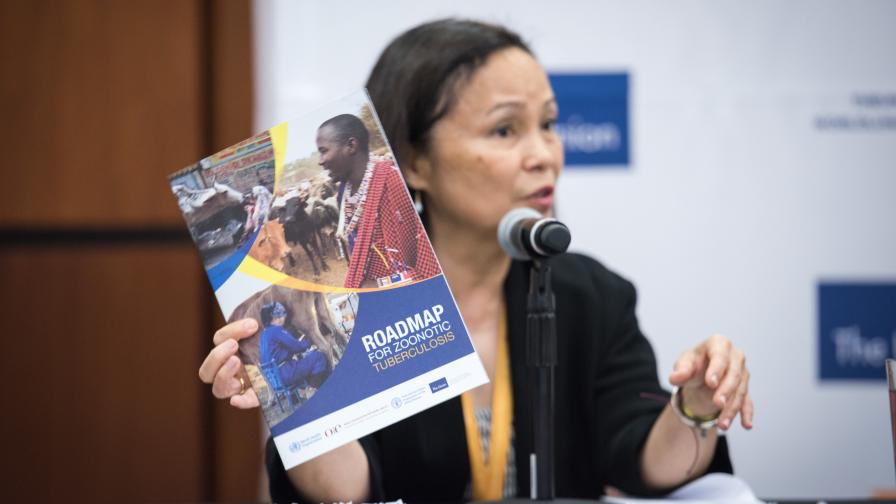
The Zoonotic TB Sub-section was instrumental in the creation of the first-ever Roadmap for Zoonotic TB, a policy document that addressed the major health and economic impacts of the disease, created in collaboration with the World Health Organization.
Members work together to influence global policy and practice, ensuring their work has a greater global impact.
Understand the issues with our factsheets
Tuberculosis Union news
Union Executive Director calls for cities to play larger role in fight to end TB
The Union’s Executive Director, José Luis Castro, delivered a speech today in Seville, Spain, to mark World TB Day. The speech…
TB survivors bring their stories to policymakers on Capitol Hill
More than 20 tuberculosis (TB) survivors met with leaders on Capitol Hill in Washington, DC, to share their experiences with those who…
On World TB Day The Union looks for ways to accelerate progress
The first World TB Day on 24 March 1982 was created to commemorate the discovery of M. tuberculosis by Prof Robert Koch one hundred…
Health leaders discuss latent TB infection and prevention in China
Researchers, healthcare workers and other experts in tuberculosis (TB) convened on 1 March in Beijing to discuss methods for tackling…
The Union strongly supports New Delhi Declaration to End TB
Today, 22 March 2017, The Union expressed strong support for a meeting convened over two days in New Delhi, India, which resulted in all…
TB kiosks provide patient-centred care in India
The Union’s Project Axshya has established 97 tuberculosis (TB) treatment and information kiosks in 40 cities in India to provide better…
TB Publications
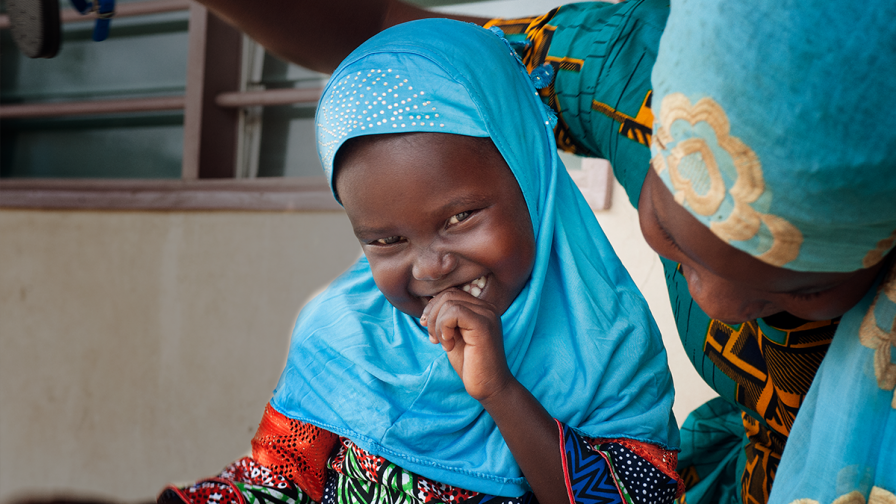
Until recently, the focus has been on finding and treating people with TB. But now bold targets for TB prevention have been outlined in the recent UN High-Level Meeting on TB. The Union develops, tests, implements and scales up models of care to increase the uptake and completion of TB preventive treatments in key high risk groups including children under 5 and people living with HIV.
'Prevent Tuberculosis: Management of TB Infection' is a free course which improves knowledge of all aspects of the management of TB infection including the diagnosis and treatment of tuberculosis with the specific aim of increasing country-level implementation of TB prevention among i) household contact of people affected by TB, especially those under five years of age, ii) persons with risk factors to develop TB, and iii) people living with HIV in care.