Since its inception in 1920, The Union has had a focus on tuberculosis (TB) and innovating TB care.
We have now set out our 2022-2027 vision, objectives and strategy for ending TB. This can only be achieved collectively, with our members, partners and TB community – everyone has a role to play.
Together, we can bring an end to TB.
Our work in TB
The Union works towards the global elimination of TB. We support high-quality, accessible prevention and care for people with and at risk of TB, to expand the evidence base for TB care and prevention and implement new knowledge into policy and practice.

Project Axshya Plus
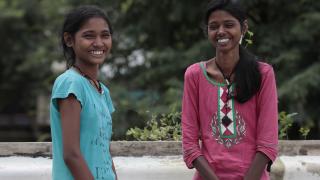
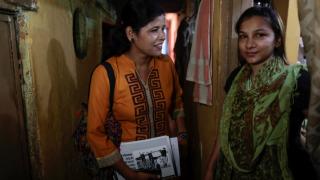
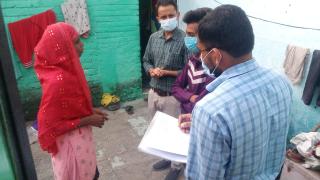
In collaboration with local partners and over 15,000 community volunteers, The Union provided innovative tuberculosis (TB) interventions designed to serve traditionally hard-to-reach and at-risk populations in India.
Specific TB priority areas
Read more about how The Union is working to fight key areas of TB:
Child & Adolescent Tuberculosis
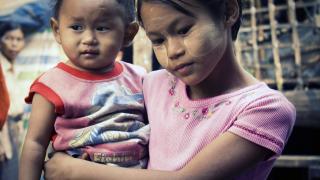
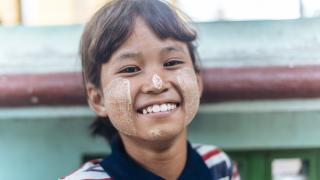
The Union works to develop, test, implement and scale up routine screening of child contacts of people with TB. We run observational studies and advocate to ensure children and adolescents are included in clinical trials that target diagnostics, vaccines and treatment of TB disease and infection.
TB-HIV, TB-Diabetes and other co-morbidities
The Union develops, tests, implements and scales up models of care for co-morbid conditions that increase the risk of developing TB, that are prevalent in high TB burden settings, or that adversely affect TB treatment outcomes.
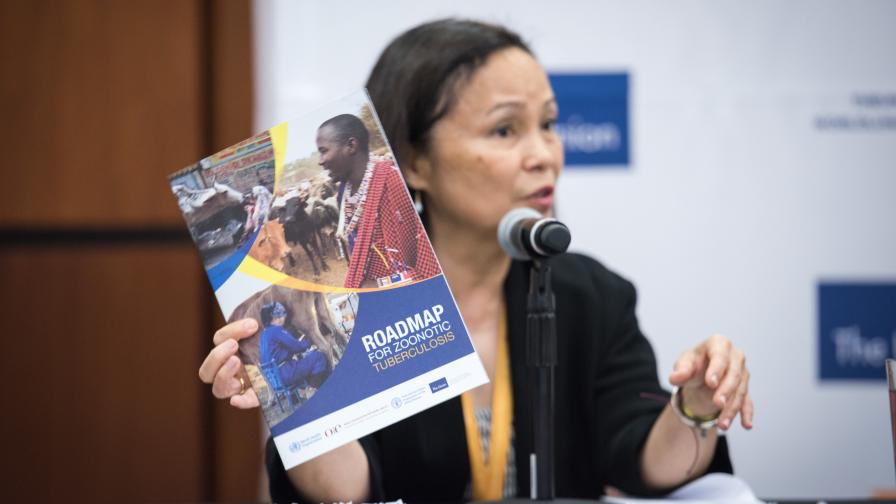
The Zoonotic TB Sub-section was instrumental in the creation of the first-ever Roadmap for Zoonotic TB, a policy document that addressed the major health and economic impacts of the disease, created in collaboration with the World Health Organization.
Members work together to influence global policy and practice, ensuring their work has a greater global impact.
Understand the issues with our factsheets
Tuberculosis Union news
The Union welcomes the launch of new Global Alliance Against Chronic Respiratory Diseases website
A new website, launched by the Global Alliance Against Chronic Respiratory Diseases (GARD), provides a central point for information and…
Lancet feature on need for urgent new drug development cites The Life Prize
A feature published in The Lancet Infectious Diseases (November 2017) - Antibiotic development pipeline slows to a trickle – follows up…
WHO Global TB Report 2017, progress toward ending TB too slow
The overriding message from the World Health Organization’s (WHO) Global Tuberculosis (TB) Report for 2017 – published Today (30 October…
The Union reinforces commitment to beating AMR as part of global event
The Union announced a series of commitments to combat antimicrobial resistance (AMR) at a conference, in Berlin on 12 and 13 October…
MDR-TB survivor inspires innovative treatment centre in Peru
When Melecio Mayta contracted multidrug-resistant tuberculosis (MDR-TB) in 2001, he thought it was the beginning of the end of his life…
The 48th Union World Conference on Lung Health: defined by ground-breaking science for advancing lung health
The 48th Union World Conference on Lung Health held in Guadalajara, Mexico, was distinguished by some of the most innovative…
TB Publications
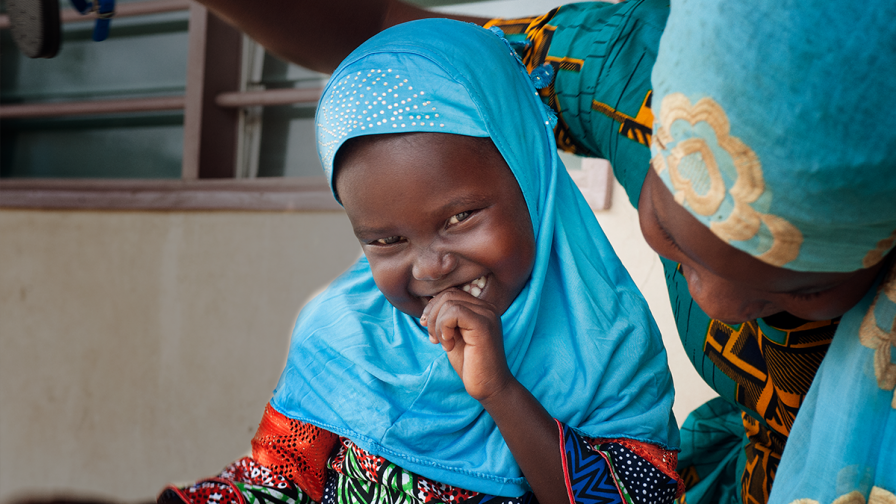
Until recently, the focus has been on finding and treating people with TB. But now bold targets for TB prevention have been outlined in the recent UN High-Level Meeting on TB. The Union develops, tests, implements and scales up models of care to increase the uptake and completion of TB preventive treatments in key high risk groups including children under 5 and people living with HIV.
'Prevent Tuberculosis: Management of TB Infection' is a free course which improves knowledge of all aspects of the management of TB infection including the diagnosis and treatment of tuberculosis with the specific aim of increasing country-level implementation of TB prevention among i) household contact of people affected by TB, especially those under five years of age, ii) persons with risk factors to develop TB, and iii) people living with HIV in care.